
A mouse racing across your kitchen floor is enough to make you want a solution today. If you want to get rid of mice in Winnipeg quickly, start trapping where they travel, take away easy meals, and address the gaps that let them in. These steps work together; catching one mouse is only part of the job.
Winnipeg homes offer food and shelter when temperatures drop, but mice can enter in any season. At Gilles Lambert Pest Control, we help homeowners work through the problem with an inspection and a plan suited to the property. Here are five practical ways to get started.

Use mouse-sized snap traps near signs of activity, such as gnawed food packaging, droppings, or repeated sightings. Check behind appliances, along cupboard edges, and beside basement walls. Follow the trap manufacturer’s directions and keep every trap inaccessible to children and pets.
For a conventional snap trap, position the baited end against the wall so the trap forms a T with it. Use a small amount of bait, such as peanut butter, rather than a large mound. The CDC’s mouse-trapping guidance explains why location matters: rodents tend to move beside walls and objects.
Check traps daily and adjust placements if activity continues elsewhere. Keep trapping until there are no new captures or signs for at least a week. One empty trap or one quiet night does not confirm the problem is over.
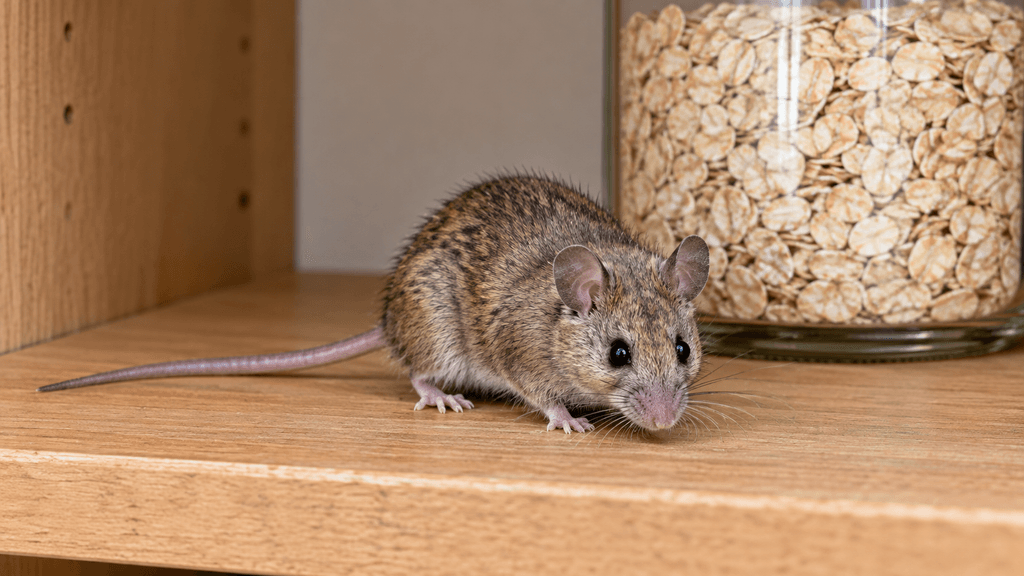
Make your kitchen and storage areas less rewarding for mice. Put cereal, flour, pet food, and birdseed in sturdy containers with tight lids; metal or glass is a good choice. Discard food and packaging that mice have contaminated.
Health Canada’s rodent-control advice pairs sanitation with trapping and prevention. Cleaning alone will not remove mice already inside, but it helps eliminate the food sources that support them. If you find droppings, use the wet-cleaning precautions in tip four.
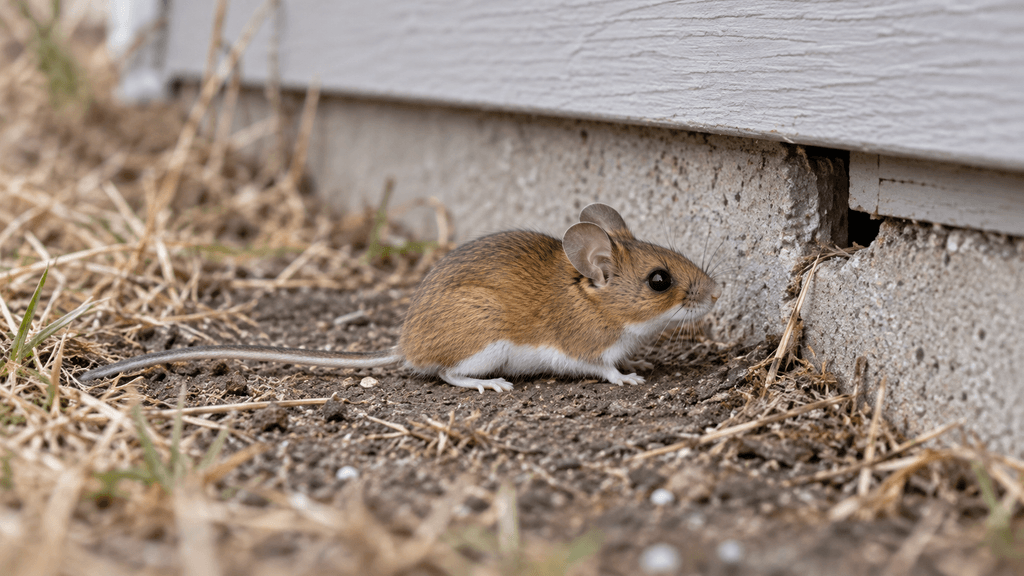
Mice can squeeze through an opening about 6 mm wide, roughly the width of a pencil. Walk around your Winnipeg home and check door thresholds, garage-door seals, foundation cracks, and openings around utility lines. Inside, look around pipes beneath sinks and where walls meet floors.
Use durable materials suited to the opening. Metal mesh or flashing can protect larger gaps; small gaps may need steel wool secured with appropriate sealant. The CDC’s rodent-proofing guide outlines suitable materials and places to inspect.
Keep trapping mice already indoors while you address entry points. Avoid obstructing required ventilation, drainage, or appliance clearances. If an opening involves electrical wiring, a gas line, or an inaccessible wall cavity, have a qualified professional assess the repair. For rental or multi-unit properties, report activity to the property manager so shared entry routes can be checked.
Reduce clutter in basements, garages, and storage rooms, and keep stored belongings in sturdy lidded bins. Move firewood and unused materials away from exterior walls. This reduces shelter and makes new activity easier to spot.
Treat mouse droppings and nesting material as potentially harmful. Do not sweep or vacuum them: disturbing dry waste can release particles into the air. For small contaminated areas, follow the Public Health Agency of Canada’s cleanup guidance:
For heavy contamination or areas you cannot safely access, arrange professional cleanup. Sanitation supports mouse control; it does not replace trapping and exclusion.
If mice keep appearing, traps are not reducing activity, or you cannot locate their entry points, bring in a professional. Repeated sightings across several rooms, inaccessible nests, and recurring problems in a shared building all call for a closer inspection.
Our mouse extermination service in Winnipeg starts with finding activity and potential access points. Gilles Lambert Pest Control can discuss trapping, appropriate baiting, prevention, and follow-up based on the property. Tell the technician where you have seen mice, what you have tried, and whether children or pets use the affected areas.
Do not scatter loose poison around the home. Any rodenticide must be registered for the intended use in Canada and used exactly as its label directs, including bait-station requirements. Ask the technician what the proposed treatment involves and what precautions your household needs.
A trap may catch a mouse quickly, but there is no dependable overnight fix for every infestation. The number of mice, access points, and hidden nesting areas affect the timeline. Follow-up checks are part of confirming that activity has stopped.
It is a reason to investigate, not a reliable count. Look for additional activity before assuming the sighting was isolated. Record where you see signs so an inspection can focus on those areas.
Do not rely on them as your only control method. Health Canada notes that rodents may adapt to ultrasonic devices and return. Prioritize trapping, food storage, and repairs to entry points.
An unsealed access point can let new mice in even after the original activity is controlled. Recheck the building exterior, garage, and utility openings, and keep food and nesting materials less accessible.
The scope depends on the property, the extent of activity, required repairs, and follow-up. Request a quote that explains what the service includes and whether sealing and additional visits are covered.
You can take useful steps today without guessing your way through a recurring infestation. Contact Gilles Lambert Pest Control to discuss mouse control for your Winnipeg home. We will help identify the next step, explain the available treatment options, and plan how to reduce the chance of mice returning.




Providing professional pest control services to Winnipeg, Winkler, Steinbach, Headingley, and surrounding areas.