
Gilles Lambert Pest Control Services Inc. offers regular pest control contracts for food processing plants and manufacturing plants. Some of these plants require a full HACCP program (Hazard Analysis Critical Control Points). We also utilize IPM (Integrated Pest Management) to service your industrial facility.
Book a Call
Industrial sites have loading docks, pallet storage, floor drains, compactor areas, lunchrooms, rooflines, and exterior waste zones that create more pest pressure than homes or offices. In Winnipeg, freeze-thaw cycles open gaps around doors and utility lines, and facilities near the Red River, the Assiniboine River, or busy mixed-use corridors like Lagimodiere can also see shifting seasonal pest pressure, so our approach to industrial pest control in Winnipeg starts with risk mapping, not one-size-fits-all spraying.
We handle industrial buildings and commercial pest control needs that require planning, documentation, and follow-through. From older service corridors around Union Station to high-traffic commercial blocks near Portage Avenue and Main Street, understanding the difference between pest and animal control also matters for facilities that may deal with both insects or rodents and larger wildlife concerns. If you're comparing providers, our guide to finding qualified pest control in Winnipeg helps you focus on response time, prevention, and reporting instead of price alone.
The most common issues in Winnipeg industrial pest control are mice, rats, cockroaches, flies, ants, birds, and stored product pests. These lines up closely with the common pests in Winnipeg that regularly affect commercial and industrial properties across the city, from warehouse districts near The Forks to institutional areas around RRC Polytech. In warehouse pest control, rodents are a major concern around dock seals, wall gaps, and cluttered storage, while lunchrooms, drains, and break areas often need fly control and cockroach control.
Season matters: Fall drives rodents indoors, spring increases fly pressure, summer raises bird activity, and winter pushes pests deeper into warm wall voids and production areas. Around landmark properties and high-foot-traffic zones such as the Canadian Museum for Human Rights, Millennium Library, and CF Polo Park, store-bought traps and sprays may catch a symptom, but they don't provide the trend analysis, exclusion planning, or audit documentation industrial sites need.
We build integrated pest management plans that combine monitoring, sanitation recommendations, exclusion, and targeted treatment. In some cases, facilities also need to address wildlife entry issues similar to the problems caused by squirrels and raccoons in Winnipeg when rooflines, vents, or exterior openings are left vulnerable.
We start with a facility-specific inspection that reviews the perimeter, roofline, dock doors, drains, entry points, sanitation conditions, and likely harbourage areas. For sites near older masonry and heritage areas such as St. Boniface Cathedral, we also pay close attention to structural gaps and exterior conditions that can support recurring pest entry. We also consider production timing, restricted areas, maintenance schedules, and whether after-hours service is the better fit.
A strong program should match the environment you're protecting, whether that means food processing, pest control, ingredient storage, cold storage, or high-dust manufacturing. That includes the right mix of bait stations, traps, insect light traps, and exclusion work without unnecessary disruption, whether a property sits near green space like Assiniboine Park or in dense downtown service corridors.
We check the places pests target most: Dock seals, conduit penetrations, floor-wall gaps, roof vents, waste areas, storage practices, and warm hidden spaces. We also note signs your team can watch for between visits, including gnawing, rub marks, insect activity near drains, webbing in dry goods, and droppings on beams.
We choose methods that protect employees, inventory, equipment, and sensitive production areas. That can include rodent control, mouse control, rat control, ant control, bird control, drain-focused fly work, and monitoring for stored product pests.
You should expect site maps, device logs, service reports, trend analysis, corrective-action notes, and audit-ready documentation. For Hazard Analysis and Critical Control Points (HACCP) and Canadian Food Inspection Agency (CFIA) environments, that means monitoring frequency, record retention, and corrective-action verification that support food safety and quality assurance.
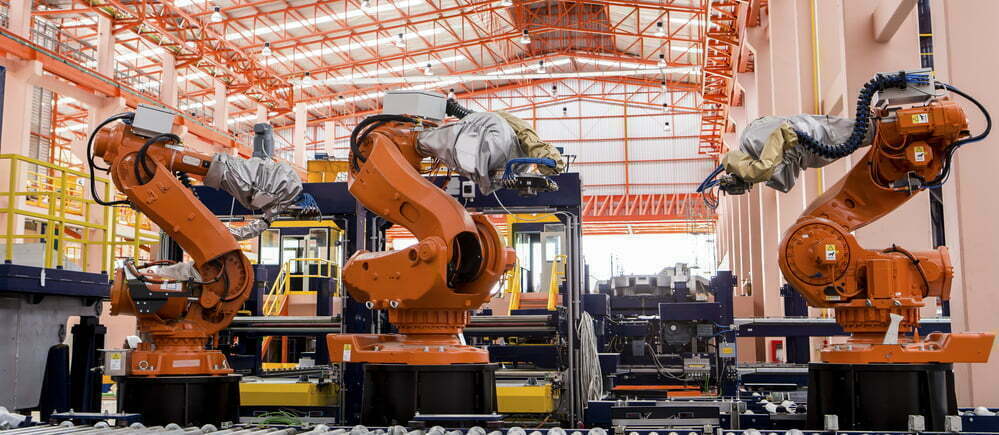
If your facility needs a practical plan, clear reporting, and local service that understands Winnipeg conditions, we're ready to help. We work with warehouses, manufacturing plants, food processing and packaging facilities, storage sites, workshops, and distribution centres across the city, with scheduling that can reduce downtime.
A good pest program should leave you with fewer repeat issues and clearer next steps. Start that conversation with us at Gilles Lambert Pest Control, and we’ll build a service plan that fits your operation together.
We service warehouses, manufacturing plants, food processing and packaging facilities, distribution centres, storage buildings, workshops, and similar commercial-industrial sites across Winnipeg.
Mice, rats, cockroaches, flies, ants, birds, and stored product pests are the most common. Risk changes with food handling, moisture, shipping volume, and access points.
Yes. We can coordinate service around production schedules, restricted areas, shift changes, and access needs.
It depends on facility type, pest pressure, audit needs, and season. Higher-risk sites may need weekly or biweekly visits, while others do well monthly.
Yes. We provide service reports, site maps, device logs, trend notes, and corrective-action records for audits and compliance programs.
Document what you saw, where, and when, then contact us promptly so we can assess whether you need emergency service or a broader corrective plan. If staff report hitchhiking pests, identifying bed bugs in Winnipeg can help rule out a separate issue quickly.



Providing professional pest control services to Winnipeg, Winkler, Steinbach, Headingley, and surrounding areas.