
When summer settles into Winnipeg, a lot of homeowners notice the same pattern outside the house. Fresh webs show up around soffits, porch lights, window frames, railings, decks, garage doors, and entryways. You clean them off, and a few days later they are back. If that sounds familiar, you are not imagining it. Exterior spider activity really does ramp up in summer, and there are clear reasons why the problem keeps building on the outside of the home.
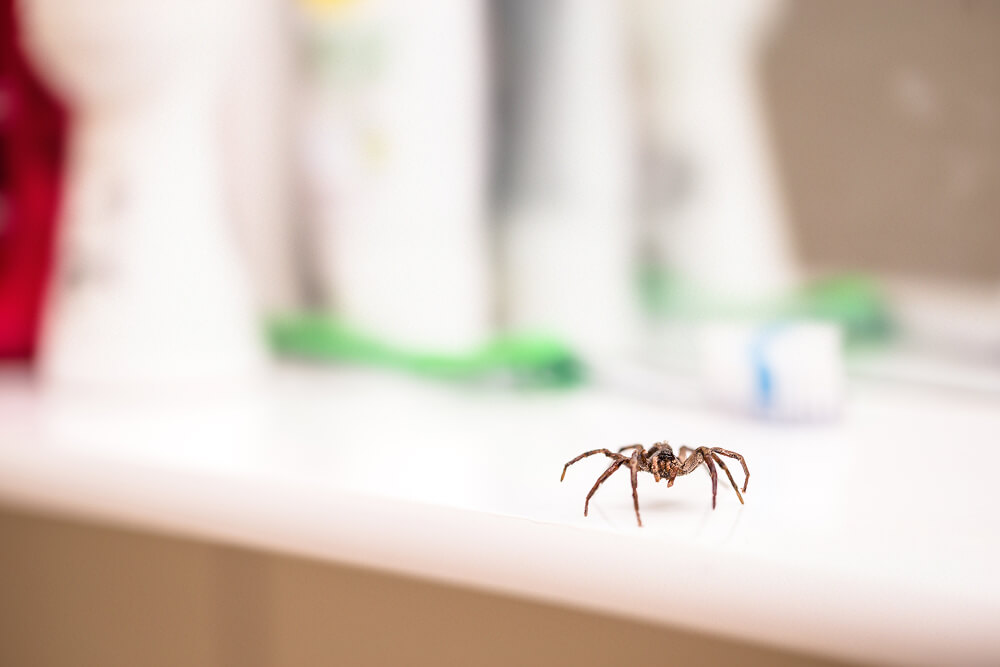
Summer is when the outdoor food chain speeds up. Warm temperatures, longer daylight hours, and rising insect activity create ideal hunting conditions for spiders. As mosquitoes, flies, moths, ants, beetles, and other insects become more active, spiders move into the exact places where those insects gather. That is why webbing becomes more noticeable around lights, trim, siding, fences, decks, and rooflines once summer is in full swing.
In Winnipeg, the pattern is especially noticeable because spring moisture and summer warmth create strong insect activity around foundations, gardens, shrubs, and shaded exterior walls. Spiders do not usually start the problem on their own. They respond to food availability. If insects are active around your home’s exterior, spiders will keep returning to the same spots to feed.
There is another reason the issue feels worse in summer. Exterior surfaces like soffits, overhangs, window ledges, door frames, and deck corners offer stable shelter from sun, wind, and rain. Once spiders establish themselves in those protected zones, webbing builds quickly and can spread across multiple areas of the property.
At Gilles Lambert Pest Control, we see this every year. Repeated outdoor webs are usually not random. They are a sign that the exterior of the home is offering both shelter and a steady insect food source.
A home exterior does not have to be neglected to attract spiders. It just needs the right combination of shelter, prey, and quiet surfaces where webs can stay in place. That is why even well-kept homes can end up with recurring exterior spider problems.
Lighting is one of the biggest factors. Porch lights, garage lights, and decorative exterior lighting attract flying insects at night. Once insects gather around those fixtures, spiders build webs nearby and keep returning because the food source is reliable.
Landscaping also plays a major role. Shrubs touching siding, overgrown plants near foundations, dense garden beds, wood piles, and decorative stone can all create harbourage for insects and sheltered movement paths for spiders. Webbing often becomes heaviest where vegetation meets the structure.
Exterior construction details matter too. Eaves, soffits, fascia boards, window wells, utility penetrations, railing joints, deck skirting, fence corners, and garage trim all create protected zones where spiders can anchor webs and avoid disturbance. If those areas stay undisturbed for long stretches, activity builds fast.
At Gilles Lambert Pest Control, we look at the outside of the home as a system. If spiders keep coming back, the answer is usually not just web removal. The real issue is what keeps making the exterior attractive in the first place.
Most homeowners in Winnipeg see a familiar group of spiders outdoors. Common house spiders, orb weavers, funnel weavers, wolf spiders, and cobweb spiders are all common around decks, shrubs, siding, garages, and entryways. They behave differently, but they all benefit from the same outdoor conditions: shelter, insects, and low-disturbance web locations.
Orb weavers are often the most noticeable because they build large, visible webs between railings, shrubs, lights, and corners of the home. Funnel weavers prefer cracks, edges, and sheltered ground-level areas. Cobweb spiders build irregular webs in corners around trim, soffits, and utility boxes. Wolf spiders are more likely to roam instead of staying in one web, which is why people often see them on patios, walkways, and around foundation edges.
The reassuring part is that most exterior spiders in Winnipeg are nuisance pests, not dangerous ones. The real concern is usually the amount of activity, the constant webbing, and what that activity suggests about the insect pressure around your home.
Spiders are predators. So when you keep seeing webs on the same exterior surfaces, the better question is not just how to remove the spiders. It is what they are feeding on.
In many cases, the pattern looks like this: Outdoor lighting attracts flying insects, landscaping creates shelter, moisture supports bug activity, then spiders settle into the exact places where prey is easiest to catch. That is why repeated webbing around front doors, patio lights, soffits, and deck corners usually points to ongoing insect activity around the structure.
A lone web once in a while is normal. But fresh webs returning every few days, heavy webbing around multiple entry points, or spiders spreading across the whole exterior usually means the home is supporting a broader outdoor pest cycle. That is also when exterior spider extermination becomes more useful than simple cleanup.
If you want fewer spiders outside, the goal is to make the exterior less attractive to both spiders and the insects they feed on. That means reducing shelter, cutting back attractants, and staying ahead of web buildup before the problem spreads.
Start with the basics that actually change conditions:
Regular cleanup helps, but it only goes so far. If webs return quickly after removal, that usually means the exterior is still supporting prey insects and favourable hiding spots. In other words, you are removing the evidence without solving the pattern.
Late spring and early summer are the best times to get ahead of exterior spider activity in Winnipeg. That is when insect pressure starts rising and spiders begin reclaiming the same webbing zones they used the year before.
We clear webbing from high-activity areas like soffits, light fixtures, railings, decks, garage trim, and entryways so you can see where the activity is truly concentrated.
We look at the exterior conditions helping spiders stay active, including lighting, landscaping contact, moisture-prone areas, and insect-heavy zones around the home.
When needed, we apply professional exterior pest control treatments to targeted areas where spiders and their prey are most active, then monitor for recurring patterns.
A few webs on the outside of the house are normal. But heavy webbing, repeated return activity, visible spiders around multiple entry points, and widespread webs across decks, soffits, lights, and windows usually mean it is time to look beyond do-it-yourself cleanup.
This is especially true if the webs keep returning within days, if the home has a lot of evening insect activity, or if outdoor spider problems are starting to move indoors around doors, windows, basements, or attached garages. Once the pattern spreads, surface cleaning alone usually does not hold for long.
At Gilles Lambert Pest Control, we recommend professional exterior spider extermination when homeowners are stuck in a cycle of brushing down webs without lasting improvement. We inspect where the spiders are anchoring, what is attracting prey insects, and which exterior conditions are helping the problem repeat.
DIY web removal can improve appearance for a short time, but it does not usually change why spiders keep coming back. Store-bought sprays may kill exposed spiders on contact, but they often miss sheltered web zones, recurring anchor points, and the insect activity that is driving the whole problem.
A professional exterior treatment plan is different. It focuses on structure edges, soffits, trim, window areas, deck zones, garage entry points, and other recurring problem areas. More importantly, it looks at the pattern behind the webbing so you are not left restarting the cleanup cycle every week.
If the outside of your home seems to get worse every summer with webs and spider activity, there is usually a clear reason. Exterior spider problems in Winnipeg are driven by seasonal insect pressure, sheltered webbing zones, lighting, landscaping, and recurring structure-level attractants. The spiders are visible, but they are usually responding to a larger outdoor pest pattern.
At Gilles Lambert Pest Control, we take a practical approach to exterior spider extermination. We look at where activity is concentrated, what is feeding it, and what needs to change around the structure to get better results. If you are tired of brushing webs off the same places every week, we can help you get control of the problem at the source.
Spider webs increase in summer because insect activity rises, outdoor surfaces stay active longer, and sheltered areas around the home give spiders easy places to build webs. If there is a steady food source, they keep returning.
Porch lights attract flying insects at night. Spiders build webs nearby because that gives them a dependable place to catch food.
It helps with appearance, but not always with the cause. If webs return quickly, the exterior of the home is still supporting insects, shelter, or both.
Yes. Shrubs touching the house, dense plants, wood piles, and clutter near the structure can all create shelter for insects and spiders and make webbing worse around the home.
It is time to call a professional when webs keep coming back, when spider activity is heavy across multiple areas, or when outdoor spiders are starting to spread toward doors, windows, garages, or indoor spaces.





Providing professional pest control services to Winnipeg, Winkler, Steinbach, Headingley, and surrounding areas.