
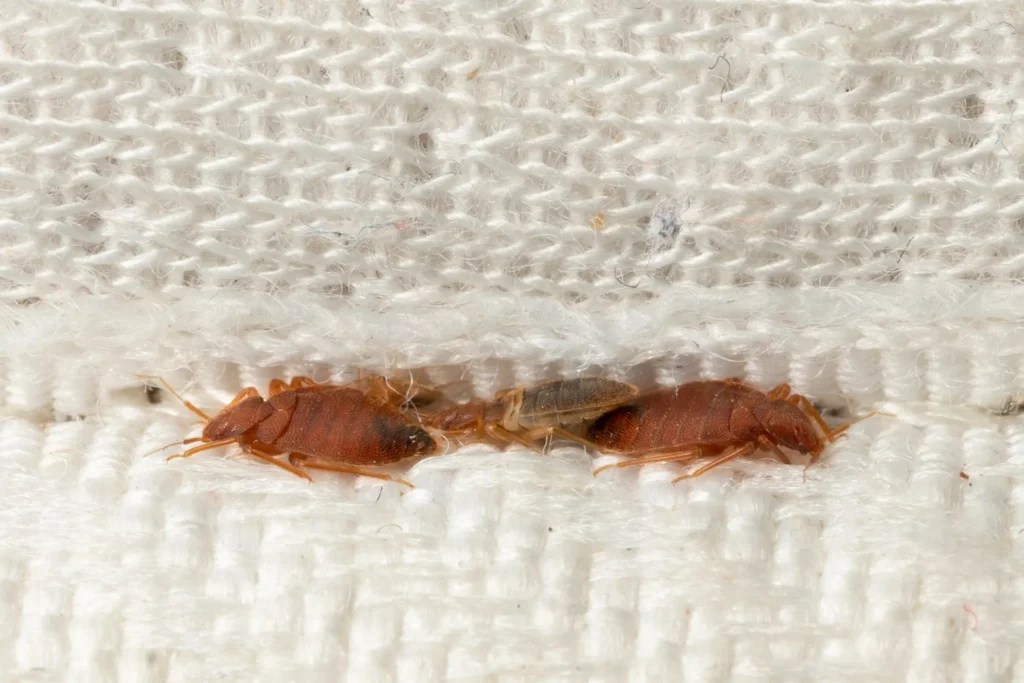
Bed bugs are difficult to control because they hide in mattress seams, bed frames, furniture, and narrow cracks. If you’ve found bed bugs in a Winnipeg home or rental unit, you need to know which treatment will fit the affected rooms and how the results will be verified. The answer will depend on where the bugs are hiding, the property layout, and whether nearby units may be involved.
Both heat and insecticides can play a role here. Heat is designed to raise the temperature of a treated area for long enough to affect bed bugs at every life stage. Professional insecticide treatment places registered products in selected areas, and some products continue working after application. Preparation, coverage, monitoring, and the chance of bed bugs moving between units matter with either approach. Gilles Lambert Pest Control’s Winnipeg bed bug exterminator service begins with an assessment to determine a proper plan.
Insecticide treatment targets the places bed bugs hide or travel. After inspecting the property, a professional selects a product registered for the intended use and applies it according to its label. The product and the surface treatments are specific: A treatment suitable for a bed frame is not automatically suitable for a mattress, bedding, or another personal item. Some products act on contact, while others are intended to remain active on treated surfaces.
Heat treatment takes a different route. Professional equipment raises the temperature of the treatment area and holds it while heat moves into furniture and other hiding places. The key measurement is the temperature reached where bed bugs are sheltering, not just the temperature of open air near a heater. Room layout, insulation, clutter, and heat-sensitive items all influence the plan. Turning up a household thermostat is not a substitute for professional treatment.
Eggs are one reason an infestation can appear to return after visible adults have disappeared. When the required temperature reaches an egg and stays there long enough, the heat kills them along with nymphs and adults. The challenge is reaching every relevant hiding place. A cool pocket inside furniture or behind an inaccessible object can undermine an otherwise thorough treatment.
Insecticide performance against eggs depends on the product. Many pesticides do not kill bed bug eggs, so a technician may schedule a follow-up after eggs hatch. The treatment plan should account for the bed bug life cycle and explain when activity will be checked again. Ask what happens if you still see signs after the first visit.
Heat works during the scheduled treatment window. Once the space has cooled and the technician clears it, occupants may be able to return, but the actual timetable depends on the size and conditions of the property. Monitoring remains important, especially if there were heavily furnished rooms or belongings that could not be heated.
Insecticide treatment may take longer to show its full effect. Some products work when bed bugs contact treated areas; others act more gradually. A technician may need a second visit to reassess activity or treat newly hatched bugs. When comparing quotes, ask about the full schedule, not just the first appointment. Include preparation, time away from the unit, inspection, and any planned return visits.
Heat leaves no residual effect. Once the treated area cools, heat can’t affect a new bed bug carried in later on luggage or furniture. Some registered insecticides are designed to remain effective on treated surfaces for a period of time, subject to the product label and how the area is used. Residual treatment is still not a barrier against every new infestation.
After either method, inspect the sleeping and sitting areas as your technician recommends. Report live bugs or new signs instead of assuming that one observation proves success or failure. Be cautious with second-hand furniture and travel belongings, and avoid moving potentially infested items between rooms or units. The follow-up plan should tell you whom to contact, what signs to watch for, and when a reassessment makes sense.
Both options work better when the technician can reach likely bed bug hiding places. You may be asked to reduce clutter, make bed frames and furniture accessible, deal with laundry, and/or move items away from walls. The exact instructions depend on the method and property. Don’t seal or relocate belongings on your own if doing so could hide bed bugs from treatment or carry them elsewhere.
Heat treatment usually requires special attention to belongings that could be damaged by high temperatures, such as certain medications, aerosols, candles, plants, or electronics. Ask which items must be removed and how to handle them so they don’t bring bed bugs back. People and pets must be out during the heating period. Insecticide treatment has its own preparation and re-entry requirements, which depend on the product and application. Ask for instructions in writing before the appointment.
Professional heat treatment uses high temperatures inside an occupied building, so planning and monitoring matter. Heat-sensitive items need a separate handling plan, and occupants must wait until the technician says it is safe to return. Attempting whole-room heat with a thermostat, space heater, or improvised equipment is unreliable and can create a fire risk. Health Canada advises leaving bed bug heat treatment to professionals.
In Canada, insecticides used for bed bugs must be registered and applied according to their labels. The label sets out where a product can be used and how people and pets should be protected. Never assume a product can be sprayed on bedding, toys, or a mattress simply because it can be used elsewhere in the room. If anyone in the household has a particular concern about products or exposure, raise it before treatment so the technician can explain the options and instructions.
Manitoba’s bed bug guidance describes heat treatment as more immediate but generally more expensive than residual chemical treatment. That is a useful starting point, not a fixed Winnipeg price. The treated area, amount of equipment and labour, furniture and layout, and whether other units need attention can all affect an estimate. A small space versus a furnished multi-unit property will require very different plans.
Compare the total proposed service rather than the price of a single visit. Ask what the quote includes: Inspection, preparation guidance, treatment area, monitoring, return visits, and what happens if signs remain. A lower initial price can be misleading if necessary follow-up is excluded. An estimate should also explain why the recommended method fits the infestation and what would prompt a change in approach.
Yes. A Winnipeg house and a multi-unit building may need different plans. In a house, the inspection can focus on activity within one property. In an apartment, condo, or other shared building, bed bugs may also move between neighbouring units. Treating one room well may not settle the problem if activity remains nearby or infested belongings are moved into a clean area.
Tenants should tell their landlord or property manager when bed bugs are suspected. Building management may need to coordinate inspection and treatment in adjoining units. That coordination affects the choice of method and the follow-up plan. Heat may be appropriate for one treatment area while targeted insecticide or other controls are used elsewhere. The aim is to address the routes by which bed bugs could remain or return, not to choose a method from the building type alone.
Yes. A professional may recommend a combination when it fits the inspection findings. Heat can address bed bugs in an accessible treatment zone, while a registered insecticide, vacuuming, steam, encasements, or monitoring may serve a different role. The exact mix depends on the infestation and must follow product labels and the technician’s plan. More treatments are not automatically better; each step should have a clear purpose.
Ask the technician to explain the sequence. Which areas will receive heat? Where, if anywhere, will an insecticide be applied? What should you do with belongings that can’t be heated? How will the team check for continued activity? Clear answers to those questions are more useful than a blanket claim that one method always wins.
Insecticide and heat treatments solve different parts of the same problem. Heat can act on eggs and adults in places that reach the required temperature; some insecticides offer a residual effect but may need follow-up for eggs or missed hiding places. The right decision depends on inspection results, preparation, building layout, treatment scope, and a plan to check the outcome.
Our team can assess the affected areas and explain which options fit your Winnipeg property. Visit our bed bug treatment services in Winnipeg page or call 204-479-6669 to arrange an assessment. Bring any photos or details about where you found bed bugs, what you’ve already tried, and whether nearby units may be involved.





Providing professional pest control services to Winnipeg, Winkler, Steinbach, Headingley, and surrounding areas.