
When your lawn suddenly shows little trails, or a young shrub starts failing for no clear reason, it can feel personal. At Gilles Lambert Pest Control, we know Winnipeg property owners want answers fast, because vole damage doesn’t stay small for long.
Book a Call
If you’re searching for a vole exterminator Winnipeg homeowners trust, the first step is knowing what you’re seeing. Voles are small rodents that are often confused with mice, moles, gophers, squirrels, and shrews. In Winnipeg and across Manitoba, the meadow vole is the species we see most often, and some people also use the term “field vole” to describe the rodent that does the same kind of lawn and garden damage.
The clearest sign is a network of narrow surface runways in your grass. Voles leave shallow travel paths through turf, clipped grass, and small burrow entrances hidden under mulch, shrubs, or dense ground cover. You might also notice clipped vegetation, missing bulbs, root damage, and gnaw marks or bark damage near the soil line on young trees and shrubs.
Pest | What You Notice | Tunnel or Runway Style | Typical Damage |
Vole | Short tail, compact body, small ears | Shallow surface runways, small burrow holes | Bark gnawing, root damage, clipped plants |
Mouse | Longer tail, larger ears | Indoor nesting more common than lawn runways | Droppings indoors, pantry activity |
Mole | Velvety body, not usually seen | Raised ridges and deeper tunnels | Uprooted soil, disturbed turf |
Pocket Gopher | Larger burrowing rodent | Soil mounds and plugged holes | Major digging, root loss |
Shrew | Pointed snout, insect eater | Uses existing passages | Less plant feeding damage |
Squirrel | Visible above ground | No lawn runway system | Dug bulbs, scattered holes |
Large soil mounds point to gophers or moles. Pantry contamination or droppings indoors usually point to mice, and understanding where ants hide in the house can also help homeowners separate indoor insect activity from rodent problems. Narrow lawn trails, hidden burrow openings, clipped grass around cover, and bark chewing at the base of ornamentals point to voles. That’s why, if that’s what you’re seeing, vole control Winnipeg property owners need is likely the right next step.
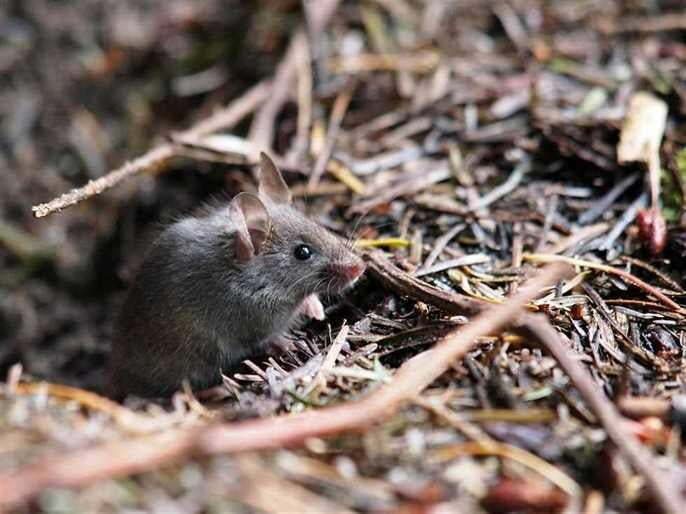
Voles feed on roots, stems, bulbs, grasses, bark, and tender shoots, so the damage isn’t just cosmetic. In a home landscape, that can mean thinning lawn patches, chewed bulbs, clipped perennials, struggling ornamental plants, and shrubs that suddenly decline. The most serious damage happens when voles chew bark around the base of young trees and shrubs, causing tree girdling that can kill the plant.
Winnipeg yards have another challenge: Snow cover insulates voles, letting them feed and travel all winter out of sight. After the melt, runways and bark damage become obvious, which is why vole control in Winnipeg is such a common spring concern. Here’s the thing: If food and cover stay available, activity can spread from one bed or fence line into more of the property.
The services of a professional vole exterminator in Winnipeg should be clear and site-specific. We inspect the full pattern of activity, because hidden nesting areas, food storage, and protective cover can keep the problem going if they aren’t identified.
Treatment can involve trapping, protected bait stations, habitat correction, monitoring, and exclusion. If a rodenticide is being considered, it has to fit the property, the target pest, and the label requirements, especially around gardens, pets, children, and non-target animals. We use an integrated pest management (IPM) approach, combining tactics to reduce current pressure and lower the chance of it returning.
Timing matters. On smaller properties with localized activity, you’ll often see a noticeable drop within days. Larger sites or dense cover usually take longer and often need follow-up and habitat modification. Pricing depends on property size, how widespread the activity is, whether follow-up is needed, and how much prevention work is required.
We inspect lawn edges, garden beds, mulch zones, fence lines, sheds, shrub bases, and tree trunks. We map fresh runways, note burrow openings, and confirm whether the damage pattern fits voles or points instead to mice, moles, or another pest.
If you can, leave the area undisturbed before we arrive. Don’t mow over fresh runways right away, and take a few photos of the newest da
Once we know where activity is concentrated, we choose the right control methods for the site. That can include trapping, protected baiting setups where appropriate, exclusion, and habitat modification.
Around pets, children, gardens, and non-target wildlife, method selection matters. Pet safety, child safety, and wildlife considerations are part of the plan from the start. The good news is, strong results usually come from layered, effective rodent control strategies.
We also recommend prevention steps that make the property less inviting. That usually includes mowing tall grass, thinning dense mulch, trimming weeds near fences, reducing heavy ground cover around ornamentals, and protecting tree trunks before winter.
Treatment reduces current activity, but nearby grassy habitat can keep reintroducing pressure if the shelter on your property stays ideal. If you’ve ever wondered about the differences between insecticides and pesticides, this is where professional guidance really helps, because the right approach depends on the pest and the site.
DIY can help with a very small, isolated issue, but once runways show up across multiple areas, bark is being chewed on shrubs or trees, or garden loss keeps repeating, it usually falls short. Misidentification is a major reason: People confuse voles with mice, moles, gophers, squirrels, and shrews, and then use the wrong tactic.
Store-bought repellents also tend to disappoint because they don’t fix the shelter, food access, and active zones supporting the infestation. Basic traps can work in the right spots, but incomplete placement leaves pockets of activity behind. There’s a reason professional diagnosis matters. If you’re comparing providers, finding qualified pest control in Winnipeg matters more than most people realize.
A good DIY threshold is simple: If you’re seeing one small patch of fresh runway and no bark damage, monitoring and cleanup might be enough to start. If you’re seeing fresh runways in several lawn zones, repeated garden damage, bark chewing on young trees, or failed DIY trapping, it’s time to bring in a pro.
Approach | What It Can Do | Where It Falls Short |
Repellents | Temporary deterrence in limited spots | Weak results in established infestations |
DIY Traps | Catch some active voles | Miss hidden runways and wider coverage areas |
Yard Cleanup Only | Reduces shelter | Doesn’t remove the current active population |
Professional Control | Diagnoses, targets, monitors, and prevents | Best results when paired with follow-through |
Voles are part of the local food chain, so control has to be done responsibly with attention to non-target wildlife. We match the method to the property, the season, and the risk around pets, children, gardens, and wildlife.
Professional service also gives you something generic products can’t: A real diagnosis. We can tell whether the issue is active now, where the pressure is highest, whether bait stations are appropriate, whether trapping will be enough, and what prevention steps will matter on your property. That kind of clarity gives homeowners more confidence and helps take some of the hassle out of figuring it out alone.
If your yard is showing narrow trails, clipped plants, or bark damage at the base of shrubs, it’s worth getting a clear diagnosis before the problem spreads. Voles are small rodents, but they can do significant lawn damage and garden damage in a short time.
At Gilles Lambert Pest Control, we bring local experience and targeted vole control Winnipeg property owners can feel confident about. We help homeowners, landlords, acreage owners, and commercial property managers figure out what’s active, what’s at risk, and what steps will reduce the problem. If you’re already familiar with other common pests in Winnipeg, you know every pest leaves a different pattern.
After treatment, we’ll walk you through the maintenance steps that support longer-term results, including trimming cover, adjusting mulch depth, protecting vulnerable plantings before winter, and watching for fresh activity in the weeks ahead.
If you’re ready for a yard that looks cared for again, Gilles Lambert Pest Control is here to help you protect your lawn, garden, trees, and landscaping with a focused plan that fits your property. We’re proud to offer service that’s practical, trusted, and designed to help you feel more comfortable about what happens next.
A vole is stockier, with a shorter tail and smaller ears than a mouse. In most Winnipeg cases, vole problems show up through outdoor lawn and garden damage, while mice are more likely to leave indoor signs like droppings or pantry activity.
Yes. Meadow vole activity is common locally, and voles are found across Winnipeg and throughout Manitoba.
Look for narrow surface runways in the grass, small burrow entrances, clipped vegetation, gnaw marks, and bark gnawing near the soil line. Unlike moles or gophers, voles don’t usually leave large mounds or raised ridges.
Yes. When voles chew bark around the base of young trees and shrubs, they can cause tree girdling, which often leads to decline or death.
Voles stay active year-round, including winter. In Manitoba, damage is often discovered after snow melt because voles keep feeding and travelling beneath snow cover.
Professional treatment can reduce current activity quickly, but long-term control depends on prevention, too. Nearby grassy habitat can keep reintroducing pressure unless shelter, food sources, and protective cover on your property are managed.




Providing professional pest control services to Winnipeg, Winkler, Steinbach, Headingley, and surrounding areas.