
When the weather turns in Winnipeg, mouse problems escalate fast. Around Meadowood, homes near green space often see seasonal rodent activity move from trails, fences, sheds, and dense landscaping toward warmth. That’s why mouse-proofing works best as a practical walk-through from the yard to the kitchen, not a scramble after mice are already inside.
Homes near Meadowood Park, Royalwood, and the Seine River Greenway Trail face steady pressure from rodents because greenbelts, back lanes, and unmanaged edges create travel routes to food and shelter. A house mouse often tests foundations, garage edges, utility penetrations, and roofline gaps, while a deer mouse is more common around sheds, garages, attics, and less-disturbed storage areas. A mouse can squeeze through an opening as small as about 6.35 mm / 1/4 inch, so tiny defects matter. Snap traps can reduce activity, but open entry points keep the problem going, which is why our mouse-proofing services focus on rodent exclusion first.

Start outside and work in: Property edge, exterior shell, garage, basement or crawl space, kitchen and pantry, then attic.
If you find droppings, ventilate the area, wear gloves, spray for disinfection, wait a few minutes, then wipe up and bag the waste. Don’t sweep or vacuum dry debris. For heavier contamination, especially old nesting or attic mess, a high-efficiency particulate air (HEPA) vacuum is safer after dampening surfaces because of the Hantavirus risk.
The best mouse prevention starts outside. In Meadowood back lanes, detached garages are common transfer points because mice move from fences and bins into stored seed, cardboard, and pet food, then follow gaps toward the house. The same lane-and-delivery traffic patterns that support neighbourhood businesses like The Forge Bagel Co. can also mean more bin activity and food odours nearby, making exterior sanitation and sealed storage even more important for adjacent homes.
Keep wood piles off the ground and away from the house, trim vegetation off siding, and store bird seed, pet food, and compost inputs in sealed bins. Check garage door side gaps, top corners, garage door seals, and door sweeps for daylight underneath.
| Works Better | Fails On Its Own |
| Copper mesh plus caulk or sealant | Expanding foam alone |
| Flashing or sheet metal | Loose steel wool that rusts |
| Hardware cloth for larger openings | Plastic mesh |
| Proper vent or weep-hole covers | Paper, fabric, or cardboard stuffing |
Weep holes shouldn't be caulked shut; they need rodent-resistant covers that still allow drainage and airflow. The same goes for vents and other designed openings. Much of this overlaps with our advice about preventing wildlife from entering homes.
The biggest mistake is relying on traps alone. Traps monitor activity, exclusion closes the route, and bait stations may help in some controlled situations, but don't replace sealing and cleanup inside a lived-in home.
Other common mistakes are waiting until cold weather, ignoring food sources, and blind sealing. If droppings keep returning after cleanup and sealing, or the problem involves wall voids, multiple entry points, contaminated insulation, or a shed or attic where deer mouse activity is possible, that’s when to hire pest control services becomes a necessity. In homes where food debris, moisture, and clutter are also present, understanding cockroach behaviour can help explain why pest issues sometimes overlap instead of appearing one at a time, as well.
Good mouse control is a system: Exclusion, trapping, cleanup, sanitation, and follow-up. We recommend checking in early fall and rechecking after storms, landscaping changes, or renovations. Rodent control and public health research reinforce why prompt cleanup and management matter. Preparing for pest control services applies here, too.
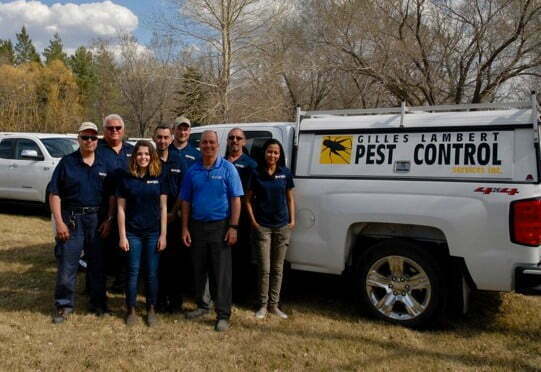
Professional mouse-proofing from Gilles Lambert Pest Control usually means inspecting the outside-to-inside route, identifying likely entry areas, flagging attractants, recommending or completing exclusion work where appropriate, and placing monitoring or control tools where they make sense.
Cold weather pushes mice indoors for warmth, food, and shelter. In Winnipeg, that shift is sharp, so small entry-point problems show up fast.
Yes. Garage door corners, worn seals, side gaps, clutter, and the door from the garage into the house are common weak spots.
Fresh droppings, chewed packaging, cereal box and liner damage, scratching at night, and a stale or musty odour are common first clues.
Yes. Homes near Meadowood green spaces face more pressure because trails, vegetation, sheds, and shelter corridors keep mice circulating nearby.
About 6.35 mm / 1/4 inch. That’s why gaps around pipes, doors, vents, siding, and utility lines need a close inspection.
Call when droppings keep returning after cleanup, traps keep catching mice, you hear wall or attic activity, or signs are showing up in more than one area.
If your home backs onto green space, sits near a lane, or has a garage that never seems fully sealed, you don’t have to keep guessing where mice are getting in. We’ll help you sort out what’s minor, what’s active, and what needs a durable fix. When you’re ready for practical support, contact Gilles Lambert Pest Control today.





Providing professional pest control services to Winnipeg, Winkler, Steinbach, Headingley, and surrounding areas.